 Image 1 of 3
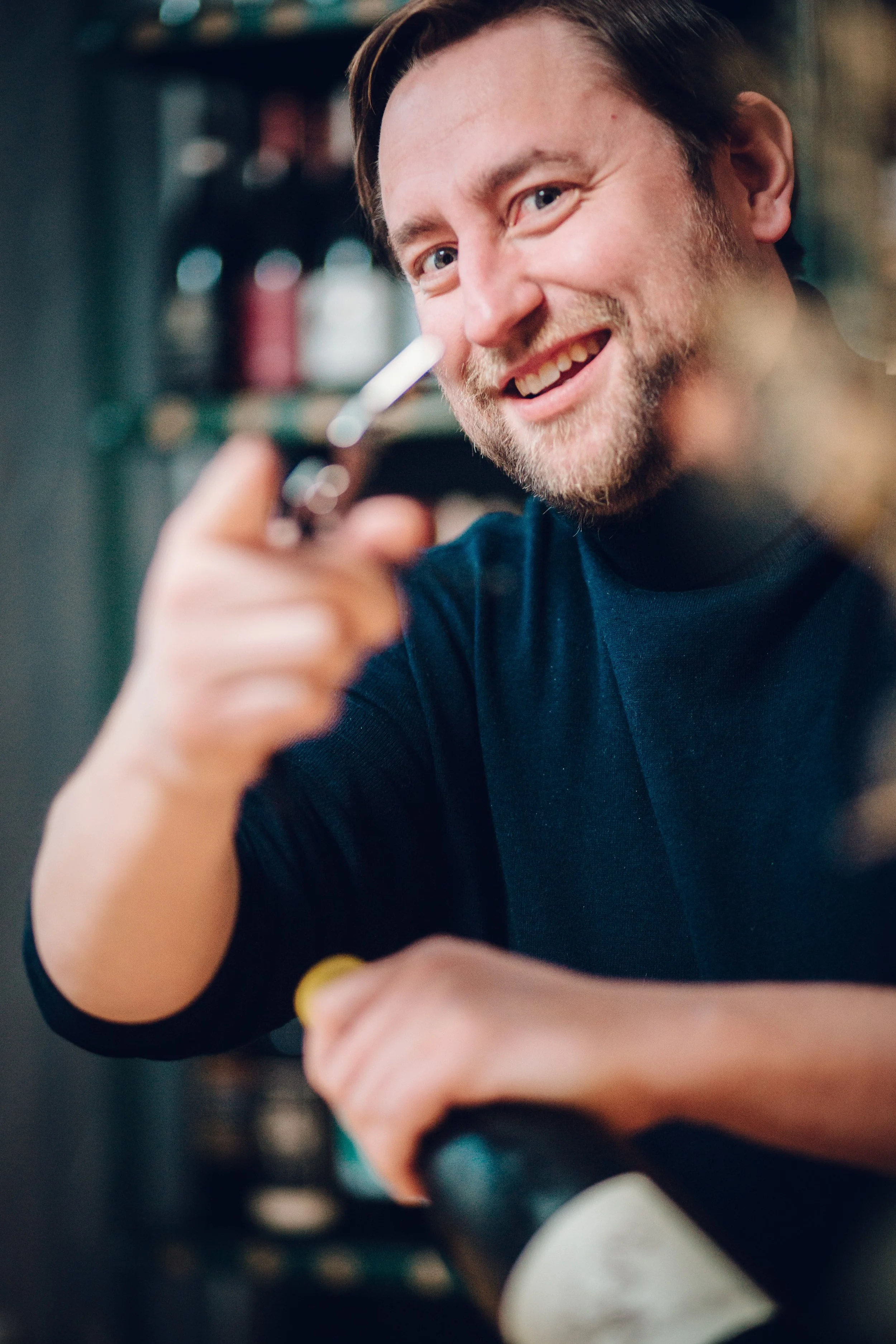 Image 2 of 3
 Image 3 of 3
I've teamed up with a professional sommelier to create a new series of wine evenings for everyone who loves a good glass of wine, but would also quite like to know why it tastes the way it does.
Eight wines. Four places. One journey from the hills of Veneto to Piedmont.
Northern Italy is anything but one wine style. We travel from Asolo to Breganze, Lake Garda and the Langhe, tasting what happens as grapes, soils, altitude and winemaking change along the way.
We start in Asolo, where the iron-rich red soils of the hills meet two very different wines: a sparkling Prosecco Superiore and Manzoni Bianco.
What does DOCG actually tell us? What makes Asolo different from the Prosecco we usually encounter? And what happens when a grape variety created by crossing Riesling and Pinot Bianco grows here?
Next stop: Breganze, at the foothills of the Alps. Here we taste two indigenous varieties that rarely make it onto wine lists outside Italy: Vespaiolo and Marzemino.
We look at how altitude, cooler temperatures and volcanic soils shape the wines – and why some of Italy's most interesting grapes are ones many of us have never heard of.
At Lake Garda, the soil changes again. We taste Lugana, made from Turbiana grown in the area's distinctive pale clay soils.
What makes this seemingly easy-going white wine so particular to its place? And how much can water, soil and microclimate really influence what ends up in the glass?
Finally, we head west to the Langhe and get serious about reds: Nebbiolo, Barbera and a mature Barolo.
We explore why Nebbiolo can produce such different wines, what ageing does to it, what separates Langhe Nebbiolo from Barolo – and why a patch of hillside in Piedmont can matter quite so much.
Because this is Frankfurt for Cooks, we don't explore Northern Italy through wine alone.
Along the way, small dishes and food experiments pick up the flavours and ingredients of the places we're tasting – and give us another question to play with: what happens to a wine once food enters the equation?
Expect a little salt, fat, acidity and umami, some very Italian ingredients and a few combinations to try side by side.
Not quite dinner. Definitely more than a few snacks. And always designed around what's in the glass.
By the end of the evening, you'll have a much better idea of how to navigate Northern Italian wine, recognise some lesser-known native grapes, understand what DOC and DOCG actually mean, and see just how much soil, landscape and winemaking can change what's in your glass.
Serious wine knowledge. Eight wines. Four very different places. Plenty of food to play with.
Asolo – Red Earth
Case Paolin Asolo Prosecco Superiore DOCG Brut
Case Paolin Manzoni Bianco “Costa degli Angeli” 2024
Breganze – Volcanic Soil & Alpine Air
Contra Soarda Vespaiolo Breganze DOC 2024
Contra Soarda Gaggion Marzemino Nero Veneto IGT
Lake Garda – White Clay
Marangona Lugana DOC 2025
The Langhe – Nebbiolo, Barbera & Barolo
Camparo Così Langhe Nebbiolo DOC 2023
Camparo Coste di Vergne Barolo DOCG 2018
Camparo Sarà Barbera d’Alba Superiore DOC 2022And what about the food?
Because this is Frankfurt for Cooks, the food is part of the tasting. Each stop comes with a small dish inspired by the region – designed not just to go well with the wine, but to give us something else to taste, compare and figure out.
Asolo
Baccalà mantecato on crispy polenta
Radicchio & Asiago tartlet
Two Venetian cicchetti, two very different wines. Try both with Prosecco and Manzoni Bianco – which pairing works with which wine?
Breganze
Young & aged Asiago · Sopressa Vicentina
Same cheese, different age and intensity – tasted against both Vespaiolo and Marzemino. What changes as the flavours get stronger?
Lake Garda
Parmesan sablé · whipped ricotta · lemon
Creamy, salty, crisp and fresh – a small bite designed around the texture and acidity of Lugana.
The Langhe
Agnolotto del Plin · braised beef · jus · Parmesan
One very Piedmontese bite, three reds: Nebbiolo, Barbera and mature Barolo. Same food, three completely different reactions in the glass.
Four places. Four food experiments. Eight wines. Plenty to compare.
The wine is still the star of the evening – the food just makes the experiment a lot more delicious.
I've teamed up with a professional sommelier to create a new series of wine evenings for everyone who loves a good glass of wine, but would also quite like to know why it tastes the way it does.
Eight wines. Four places. One journey from the hills of Veneto to Piedmont.
Northern Italy is anything but one wine style. We travel from Asolo to Breganze, Lake Garda and the Langhe, tasting what happens as grapes, soils, altitude and winemaking change along the way.
We start in Asolo, where the iron-rich red soils of the hills meet two very different wines: a sparkling Prosecco Superiore and Manzoni Bianco.
What does DOCG actually tell us? What makes Asolo different from the Prosecco we usually encounter? And what happens when a grape variety created by crossing Riesling and Pinot Bianco grows here?
Next stop: Breganze, at the foothills of the Alps. Here we taste two indigenous varieties that rarely make it onto wine lists outside Italy: Vespaiolo and Marzemino.
We look at how altitude, cooler temperatures and volcanic soils shape the wines – and why some of Italy's most interesting grapes are ones many of us have never heard of.
At Lake Garda, the soil changes again. We taste Lugana, made from Turbiana grown in the area's distinctive pale clay soils.
What makes this seemingly easy-going white wine so particular to its place? And how much can water, soil and microclimate really influence what ends up in the glass?
Finally, we head west to the Langhe and get serious about reds: Nebbiolo, Barbera and a mature Barolo.
We explore why Nebbiolo can produce such different wines, what ageing does to it, what separates Langhe Nebbiolo from Barolo – and why a patch of hillside in Piedmont can matter quite so much.
Because this is Frankfurt for Cooks, we don't explore Northern Italy through wine alone.
Along the way, small dishes and food experiments pick up the flavours and ingredients of the places we're tasting – and give us another question to play with: what happens to a wine once food enters the equation?
Expect a little salt, fat, acidity and umami, some very Italian ingredients and a few combinations to try side by side.
Not quite dinner. Definitely more than a few snacks. And always designed around what's in the glass.
By the end of the evening, you'll have a much better idea of how to navigate Northern Italian wine, recognise some lesser-known native grapes, understand what DOC and DOCG actually mean, and see just how much soil, landscape and winemaking can change what's in your glass.
Serious wine knowledge. Eight wines. Four very different places. Plenty of food to play with.
Asolo – Red Earth
Case Paolin Asolo Prosecco Superiore DOCG Brut
Case Paolin Manzoni Bianco “Costa degli Angeli” 2024
Breganze – Volcanic Soil & Alpine Air
Contra Soarda Vespaiolo Breganze DOC 2024
Contra Soarda Gaggion Marzemino Nero Veneto IGT
Lake Garda – White Clay
Marangona Lugana DOC 2025
The Langhe – Nebbiolo, Barbera & Barolo
Camparo Così Langhe Nebbiolo DOC 2023
Camparo Coste di Vergne Barolo DOCG 2018
Camparo Sarà Barbera d’Alba Superiore DOC 2022And what about the food?
Because this is Frankfurt for Cooks, the food is part of the tasting. Each stop comes with a small dish inspired by the region – designed not just to go well with the wine, but to give us something else to taste, compare and figure out.
Asolo
Baccalà mantecato on crispy polenta
Radicchio & Asiago tartlet
Two Venetian cicchetti, two very different wines. Try both with Prosecco and Manzoni Bianco – which pairing works with which wine?
Breganze
Young & aged Asiago · Sopressa Vicentina
Same cheese, different age and intensity – tasted against both Vespaiolo and Marzemino. What changes as the flavours get stronger?
Lake Garda
Parmesan sablé · whipped ricotta · lemon
Creamy, salty, crisp and fresh – a small bite designed around the texture and acidity of Lugana.
The Langhe
Agnolotto del Plin · braised beef · jus · Parmesan
One very Piedmontese bite, three reds: Nebbiolo, Barbera and mature Barolo. Same food, three completely different reactions in the glass.
Four places. Four food experiments. Eight wines. Plenty to compare.
The wine is still the star of the evening – the food just makes the experiment a lot more delicious.